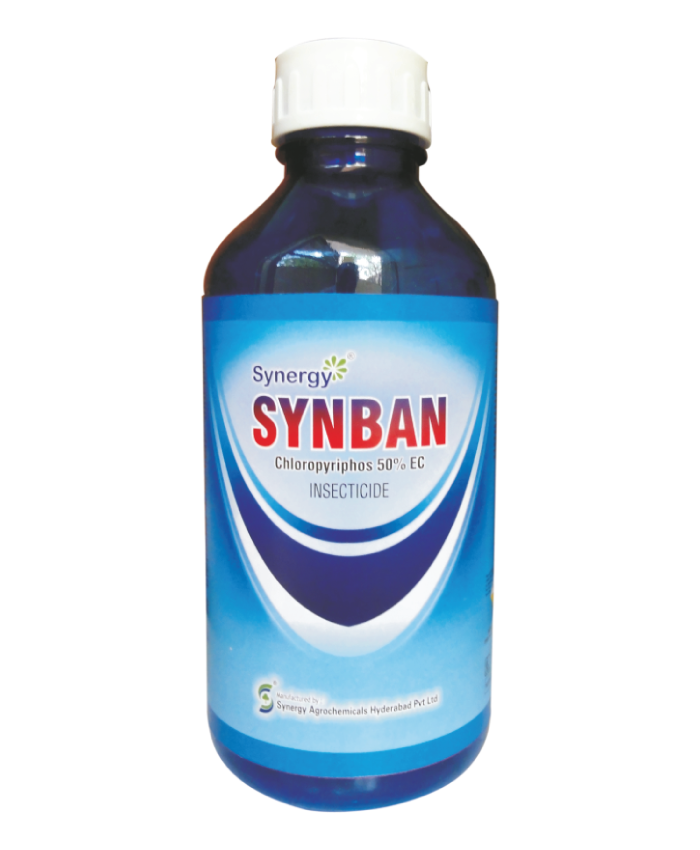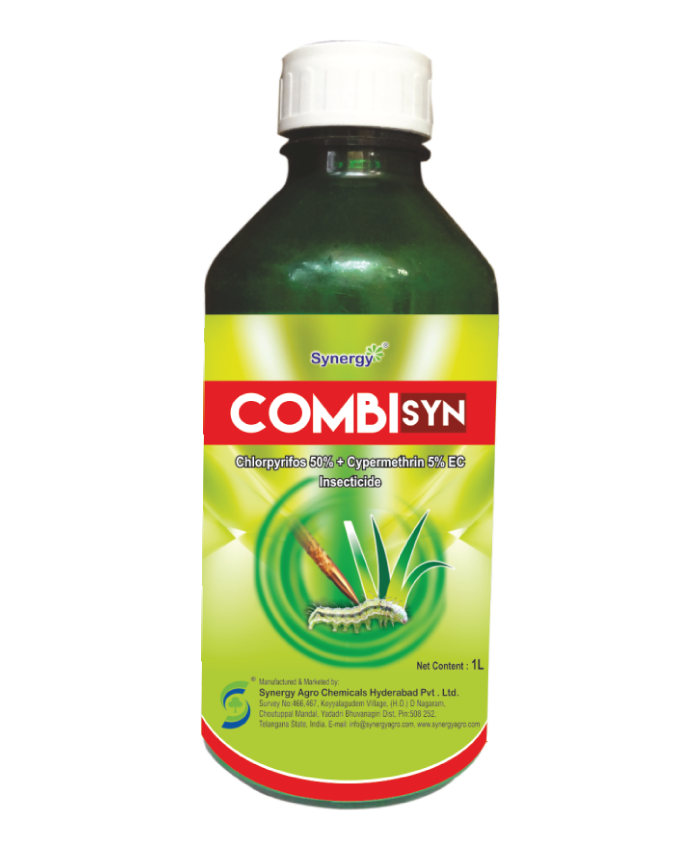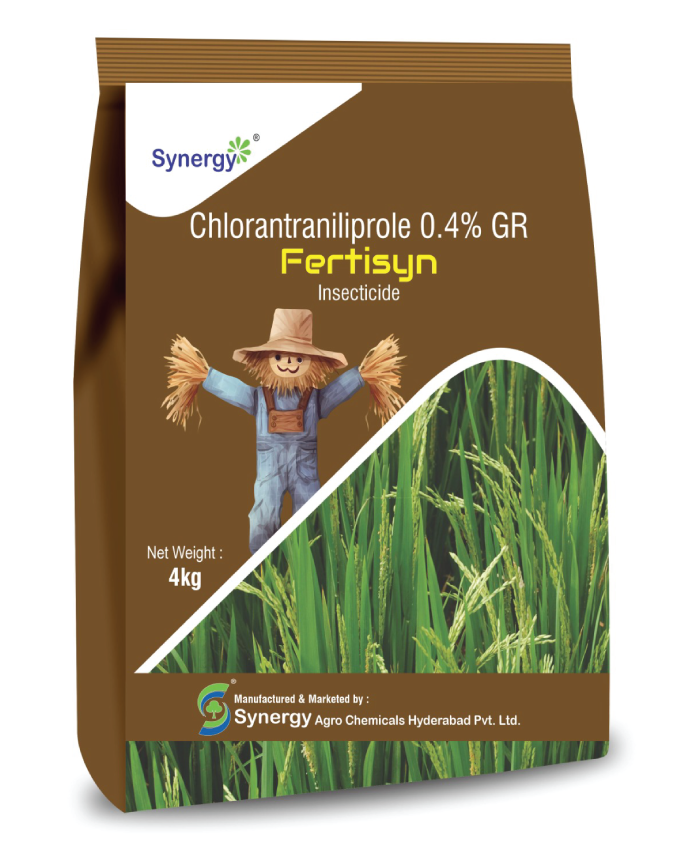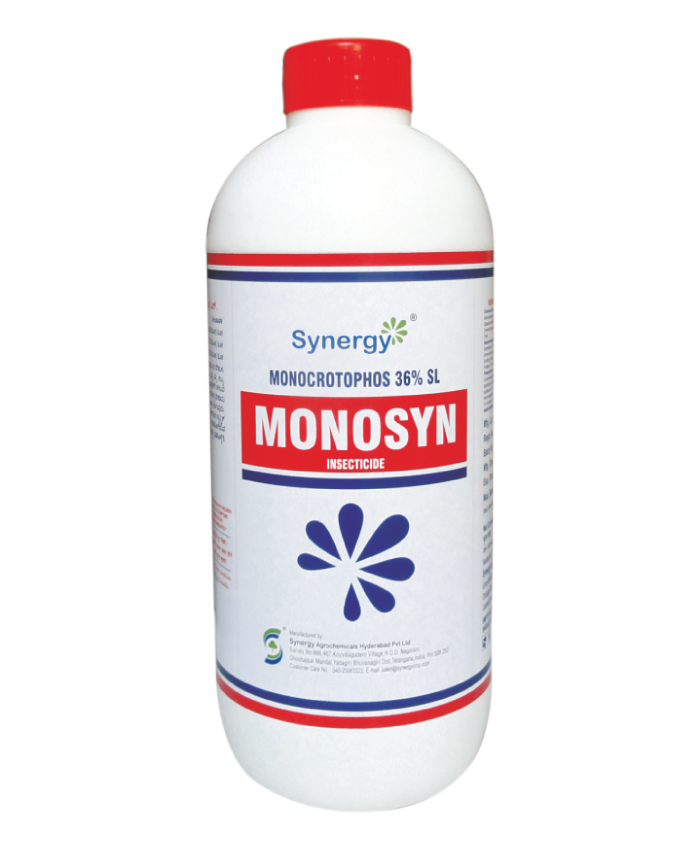


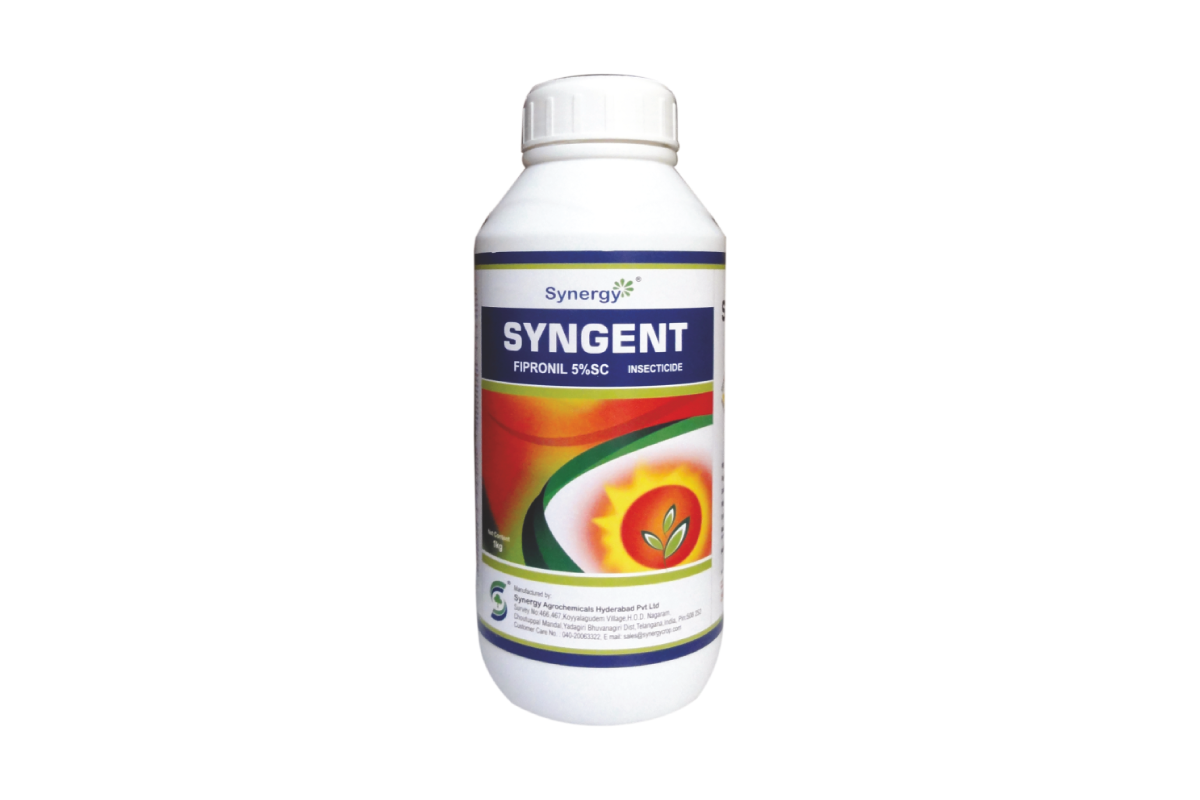
About Syngent 5 SC Insecticide
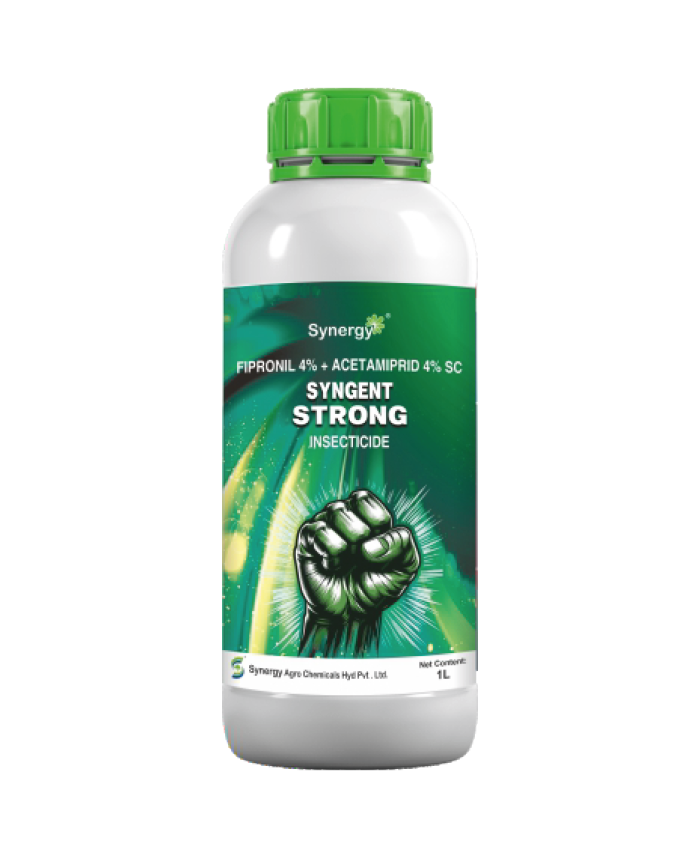
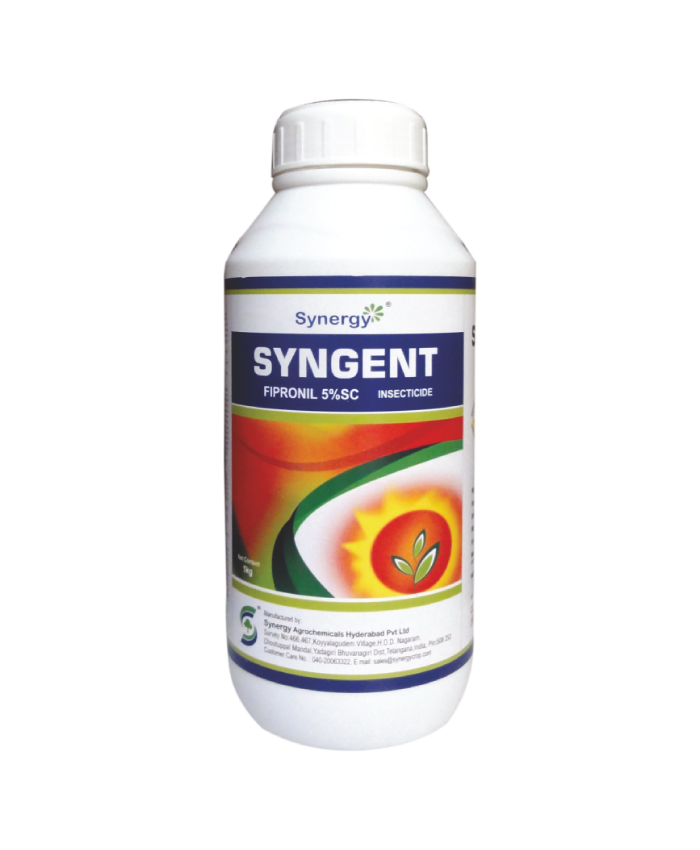
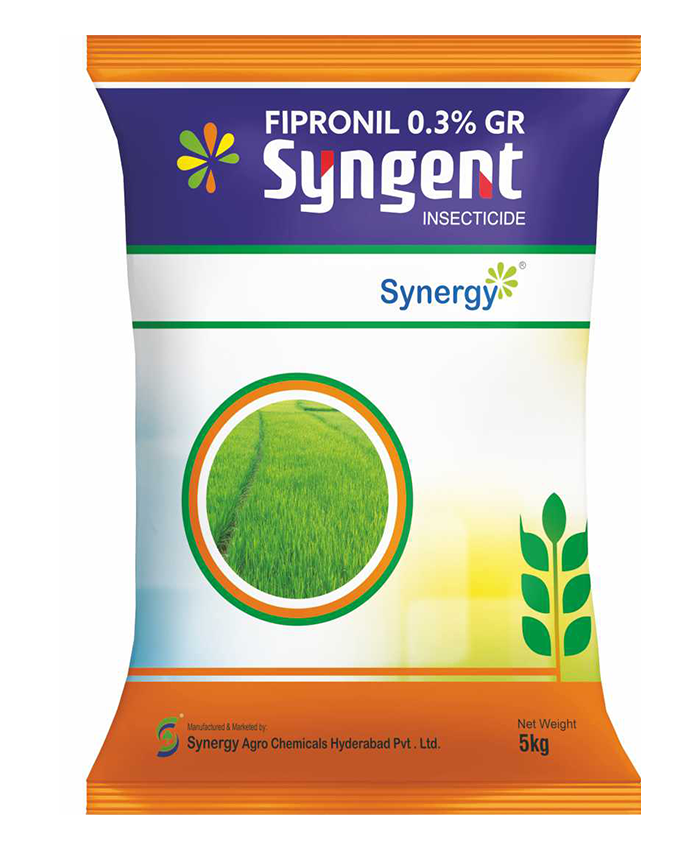
- Syngent 5 SC (Fipronil 5% SC) is a modern insecticide of the Phenylpyrazole group.
- Syngent 5 SC Insecticide is cost effective due to its effective control at lower dose.
- Offers highly effective insect control against a broad range of economically important pests.
SYNGENT 5 SC Insecticide Technical Details
- Technical Name: Fipronil 5% SC
- Mode of Entry: Contact, stomach and systemic action.
- Mode of Action: Fipronil primarily acts as an ingestion toxicant with some complimentary contact action and acts by interfering in nerve impulse transmission. It interferes with the passage of chloride ions through the Gamma Amino Butyric Acid (GABA) regulated chloride channel, thereby disrupting CNS activity and at sufficient doses, causing insect death.
Key Features & Benefits
- Syngent 5% SC Insecticide majorly controls the pests of rice, chilli, cabbage/cauliflower and sugarcane effectively.
- Has shown demonstrable Plant Growth Enhancement (PGE) effect in many crops.
- Syngent 5 SC is an excellent insecticide.
- Gives effective and long duration control of thrips in various crops.
- Syngent 5 SC is an ideal choice for IPM.
SYNGENT 5 SC Insecticide Usage & Crops
Recommendations:
|
Crops |
Target Pest |
Dosage/ Acre (ml) |
Dilution in water (L) |
|---|---|---|---|
|
Rice |
Stem borer, Brown Plant hopper, Green leaf hopper, Rice leaf hopper, Rice gall midge, Whorl maggot, White backed plant hopper |
400-600 |
200 |
|
Cabbage |
Diamond Back moth |
320-400 |
200 |
|
Chilli |
Thrips, Aphids, Fruit borers |
320-400 |
|
|
Sugarcane |
Early shoot borer & root borer |
600-800 |
200 |
|
Cotton |
Aphid, Jassid, Thrips, White fly Boll worms |
600-800 |
200 |
Method of Application:
Foliar Spray
Additional Information
- It is compatible with most of the pesticides.
Disclaimer:
This information is provided for reference purposes only. Always follow to the recommended application guidelines outlined on the product label and accompanying leaflet